Training for From The Heart 2026: Make Every Mile Count
November 20, 2025 · by Admin
Every mile feels different when you’re lacing up for a cause. In this post we’ll keep your winter training simple: short, realistic blocks, heart‑healthy habits and mindset tips so every run builds fitness, protects your heart and keeps local families facing cancer in focus.
When the temperatures drop and the days get short, it’s tempting to skip runs, hit snooze and tell yourself you’ll “start again in spring.” At the same time, you might unwind in the evening by scrolling your phone, playing a quick game or even trying a few spins on entertainment sites like slot gampang menang. That little routine can be fun — as long as it stays a conscious choice, not a default that steals time and energy from the things that truly matter.
Experienced players on platforms such as slot gampang menang know that long‑term results are not about one lucky moment; they’re about limits, patterns and staying focused on what they came for. Winter training for From The Heart works the same way. You don’t need perfect weeks or huge mileage. You need small, steady efforts that match your real life and keep the reason you’re running — local families facing cancer — at the center.

Build around simple, repeatable training blocks
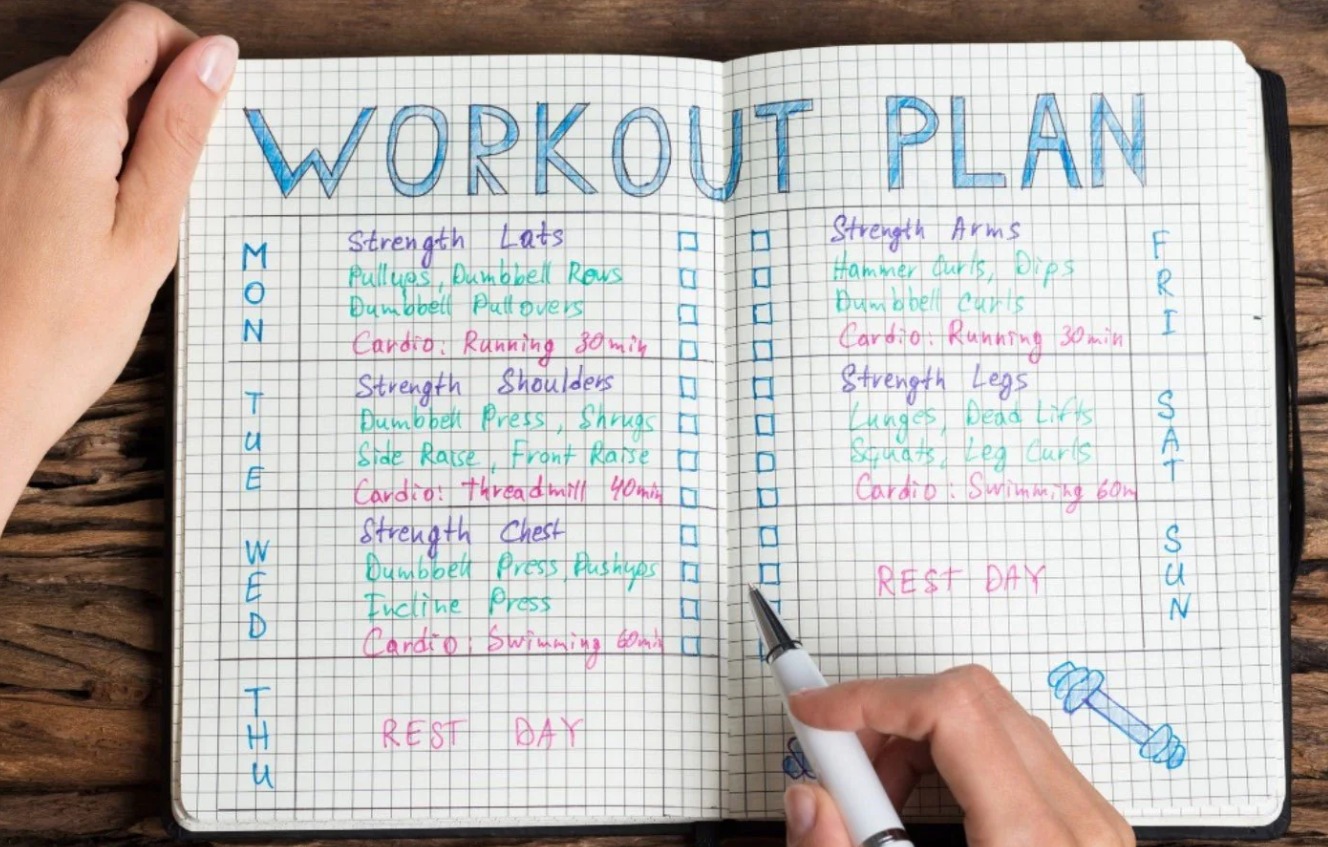
Instead of trying to follow a complicated plan, think in training blocks you can repeat from week to week. For many runners, three focused sessions are enough to move the needle:
- Easy Heart Run: a relaxed, conversational‑pace run where you could chat with a friend the whole time.
- Strength & Hills: short hill repeats or gentle inclines that build leg and heart strength without long workouts.
- Long(ish) Weekend Run: a slightly longer effort that teaches your body to stay steady for race day.
Start with 20–30 minutes for each weekday session and 35–45 minutes on the weekend. If you’re newer to running, walk‑run intervals are absolutely fine. What matters most is that you show up consistently, not that every mile is fast.
Keep your heart front and center
Running From The Heart is about more than pace charts — it’s about protecting and celebrating your own heart while helping others. A few small habits make a big difference:
- Warm up before you push: take 5–10 minutes to walk, jog gently and move your joints before picking up speed.
- Check in with your body: pay attention to breathing, chest tightness, dizziness or unusual pain. Back off and talk with a professional if anything feels off.
- Fuel and hydrate: even winter miles need water and a little energy, especially if you run after work or first thing in the morning.
Think of these habits as ways of saying “thank you” to your body for carrying you through training. They’re not extra credit; they’re part of the work.

Mindset: from pressure to purpose
When your calendar fills up and the weather turns messy, pressure‑based goals like “I must run five times this week or I’ve failed” fall apart quickly. Purpose‑based goals sound different: “I want to finish this run feeling a little stronger, and I want my miles to honor families walking through cancer.”
On hard days, try this simple reset before you head out the door:
- Take one deep breath and picture a family you’re running for.
- Choose a realistic intention for this run: “easy shake‑out,” “practice hills,” or “move my body and clear my head.”
- Celebrate completion, not perfection: if you did the warm‑up and moved for 20 minutes, that counts.
Over time, these small mindset shifts turn winter from something you “get through” into a season where you quietly build resilience.

Staying connected to the cause
It’s easy to forget the “why” when you’re lacing up alone in the dark. Make your training a conversation, not a solo project:
- Share one run a week with a friend, coworker or family member, in person or virtually.
- Dedicate specific workouts to specific people: “Tonight’s hills are for my aunt,” “This weekend’s run is for that neighbor in treatment.”
- Write a short note after a meaningful run and keep it where you’ll see it on the next tough day.
These practices don’t add miles to your training log, but they anchor your effort in compassion. Your steps begin to feel less like exercise and more like a quiet, steady way of showing up.
Every winter mile counts
You don’t need a perfect plan to arrive at race day ready. You need a few simple blocks, a heart‑aware routine and a purpose you can return to when motivation dips. Some weeks you’ll hit every session. Other weeks you’ll improvise. That’s normal.
Bottom line: every winter mile you log — whether you float through it or grind it out — is doing three jobs at once. It’s building your fitness, caring for your own heart and sending a quiet message of solidarity to families facing cancer in our community. Lace up, step outside, and let this season’s miles count for more than a finish time.