Just Juice It: How Much Fresh Juice to Drink, Blends to Try and What ROFUS Covers
· by From The Heart Run / Walk
This post covers two separate things. Most of it is about fresh juice: how much counts as a portion, why its sugar is treated differently from whole fruit, and which blends are easy to make on a weekday. The second part is for readers in Denmark who take short entertainment breaks such as casinoer uden rofus: what the national ROFUS register covers and why limits on those sites are up to you.
Fresh juice doesn’t need detox plans or strict rules. You press real fruit and vegetables, drink a sensible glass, and eat the rest of your produce whole. At Just Juice, the idea is simple: real ingredients, realistic portions, real life.
Why Fresh Juice Feels Different
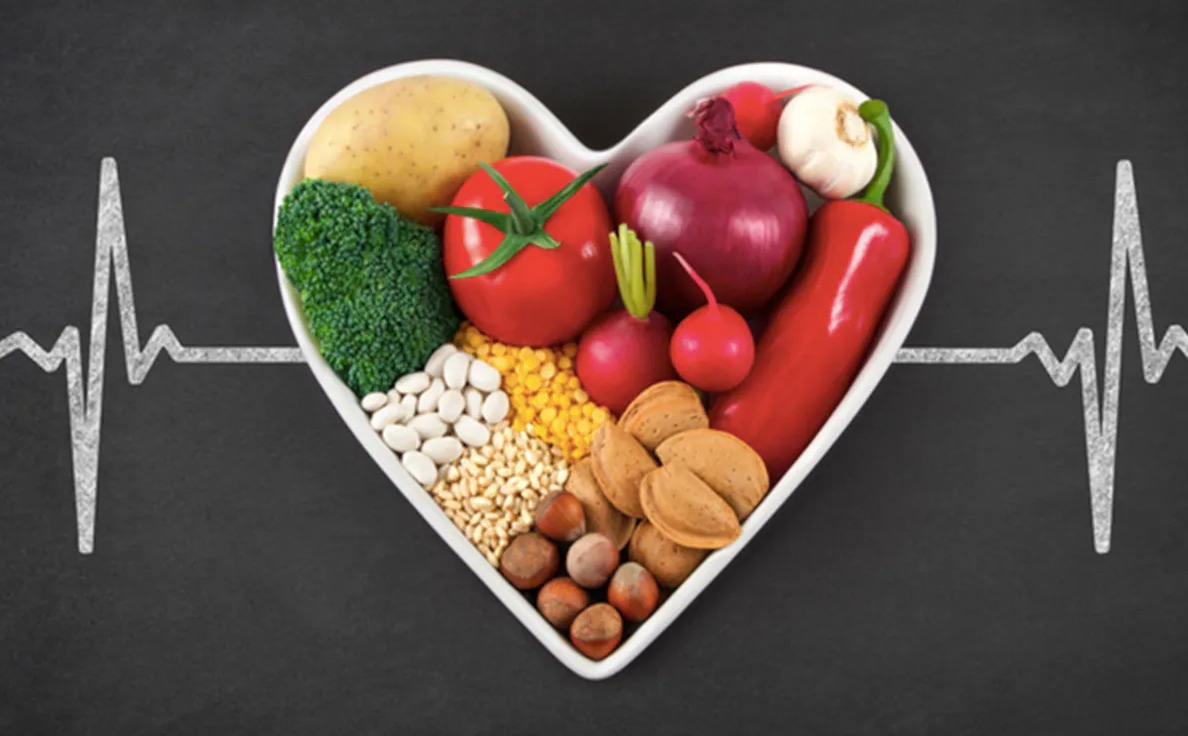
When you drink fresh juice, you’re choosing a convenient way to enjoy fluids and nutrients from fruits and vegetables. Because juicing removes much of the fiber found in whole produce, juice works best alongside balanced meals rather than as a replacement for them.
Fresh juice can be a refreshing part of a morning routine, especially when it is made with a variety of produce and enjoyed in a sensible portion. How you feel afterward will depend on the ingredients, the rest of your diet, and your individual needs.
How much fresh juice counts as a portion?
About 150 ml a day. The NHS advises keeping unsweetened fruit juice, vegetable juice and smoothies to a combined total of 150 ml a day, and that glass counts as only one of your 5 A Day however much more you drink. It also recommends drinking juice with meals rather than between them, because crushing fruit releases sugars that can damage teeth.
The World Health Organization classes sugars naturally present in fruit juices as “free sugars”, the same group as table sugar and honey, and recommends keeping free sugars below 10% of daily energy intake. Sugar inside whole fruit and vegetables is not part of that group, which is why a whole orange and a glass of orange juice are treated so differently.
| Whole fruit and vegetables | Fresh juice | Smoothie | |
|---|---|---|---|
| 5 A Day (NHS) | Each 80 g portion counts | Maximum one portion | Shares the same one-portion, 150 ml limit with juice |
| Sugar (WHO, NHS) | Intrinsic sugar, not counted as free sugar | Free sugar | Free sugar too: the NHS counts sugars in smoothies as free sugars |
| Fibre | Kept | Mostly removed with the pulp | More kept, because the pulp stays in |
| Best use | Most of your daily produce | A small glass with a meal | A small glass with a meal, not a meal replacement |
Juice Instead of Soft Drinks: Less Sugar, Not No Sugar
Compared with soft drinks, unsweetened fresh juice can provide fluids and naturally occurring sugars from produce. It still contains sugar and little fiber, so pairing a smaller serving with a balanced meal can help make it a more sustainable choice.
Green juices with celery, cucumber, spinach and a little apple are popular because vegetables keep the sugar lower than an all-fruit glass. Citrus juices taste bright and sharp, and beetroot or carrot blends are a common choice among runners and cyclists.
A Daily Habit That Supports Your Body
A daily glass adds fluid and some of the vitamins found in the produce you press, such as vitamin C from citrus. It works best as one part of a diet with plenty of whole fruit, vegetables and fibre, not as a replacement for them.
Over time, the habit matters more than any single recipe. A juice made with breakfast tends to come with other good choices, and that routine is easier to keep than a strict plan. If you also run, the nutrition section of our guide to training for your first charity race shows how a regular breakfast fits around training days.
Juicing Without Pressure
One of the biggest misconceptions about juicing is that it has to be complicated. In reality, the best juice is the one you’ll actually make and enjoy. You don’t need exotic ingredients or strict recipes. Start with what’s available, what you like, and what feels good.
Just Juice promotes a relaxed approach — no guilt, no perfectionism. Some days you might make a green juice, other days a simple orange-carrot blend.
Example: a weekday breakfast glass (illustrative)
A sample routine, not a prescription. On a work morning, press one apple, half a cucumber, a handful of spinach and a squeeze of lemon. Pour about 150 ml; how much the press gives depends on the size of the produce. Drink it with porridge and yoghurt instead of on its own at 11 a.m., and the day’s juice allowance is used at a mealtime, as the NHS suggests. On the weekend, swap the apple for a carrot and a small orange; the portion stays the same.
Mental Benefits You Can Feel
There’s also a mental side to juicing. Washing, chopping and pressing give you a short pause in the day without a screen. Like other forms of light entertainment, it is a short break that helps you reset your focus.

Regular meals and enough sleep shape mood and concentration far more than any single drink; juice is one small, pleasant part of that routine. For the bigger picture, see our piece on running for health and everyday wellbeing.
What ROFUS Covers in Denmark
ROFUS is Denmark’s voluntary self-exclusion register, run by the Danish Gambling Authority (Spillemyndigheden). Registering blocks you from online gambling with Danish-licensed operators, physical casinos and betting in shops in Denmark. You can choose a 24-hour pause, an exclusion of 1, 3 or 6 months, or a permanent exclusion.
Temporary exclusions end automatically and cannot be cancelled early. With a permanent exclusion, you can ask Spillemyndigheden to remove you at the earliest one year after registering. Sites described as “uden ROFUS” are not licensed in Denmark, so they do not check the register: a pause you set in ROFUS does not apply there.

Photo: Uutela / Wikimedia Commons, CC BY-SA 3.0
Setting your own limits for a short break
Without the register, the limits have to come from you. Decide the length of the break and the amount you can afford to lose before you open the site, check whether the operator offers its own deposit limit or time-out and switch it on, and stop when the timer or the budget runs out, whichever comes first. If breaks keep running longer than planned, a ROFUS pause on the Danish market and a conversation with someone you trust are better next steps than a new set of rules.

Photo: Frerk Meyer / Wikimedia Commons, CC BY-SA 2.0
Key Takeaways
- Keep juice and smoothies to 150 ml a day combined; that glass counts as one of your 5 A Day, never more.
- Drink juice with a meal: the WHO counts juice sugar as free sugar, and the NHS links it to tooth damage between meals.
- Vegetable-heavy blends (cucumber, spinach, celery with a little apple) keep the sugar lower than all-fruit juice.
- ROFUS blocks Danish-licensed online gambling, casinos and shop betting for 24 hours, 1–6 months or permanently; it does not reach sites without a Danish licence.
- On sites outside ROFUS, set the time and money limit before the break starts and use any limit tools the site offers.
FAQ
Does fresh juice count toward my daily fluids?
Yes, it is a drink like any other, but it is a sugary one. Use water as the main drink and treat juice as the one small glass with a meal; diluting 150 ml with sparkling water makes it last longer without adding sugar.
Is green juice better than orange juice?
Look at the numbers per 100 g in USDA FoodData Central: raw orange juice has about 8.4 g of sugar, raw cucumber about 1.7 g. A 150 ml glass of orange juice therefore carries roughly 13 g of sugar, while the cucumber part of a green juice adds only 2–3 g. The fruit you put in the press decides the rest, so a green juice with a whole apple and an orange in it ends up much closer to plain fruit juice than its colour suggests.
Can I end a ROFUS registration early?
Not a temporary one, and not a permanent one within its first year. After that year, you request the deletion yourself by logging in at rofus.nu with MitID. The request is not final straight away: you must log in again and confirm it no sooner than 7 days and no later than 30 days after sending it, so the commitment lasts at least one year and seven days.
Just Juice It
Fresh juice isn’t a trend or a shortcut. It’s a simple, practical habit that can genuinely change how you feel every day. One glass won’t solve everything, but over time, small choices add up.
Start with one 150 ml glass at breakfast, keep most of your fruit and vegetables whole, and change the blend when you get bored. Just juice it.